How to ride your first long climb
Practical pacing, fuelling and patience for a climb that takes an hour or more. General advice, not coaching.
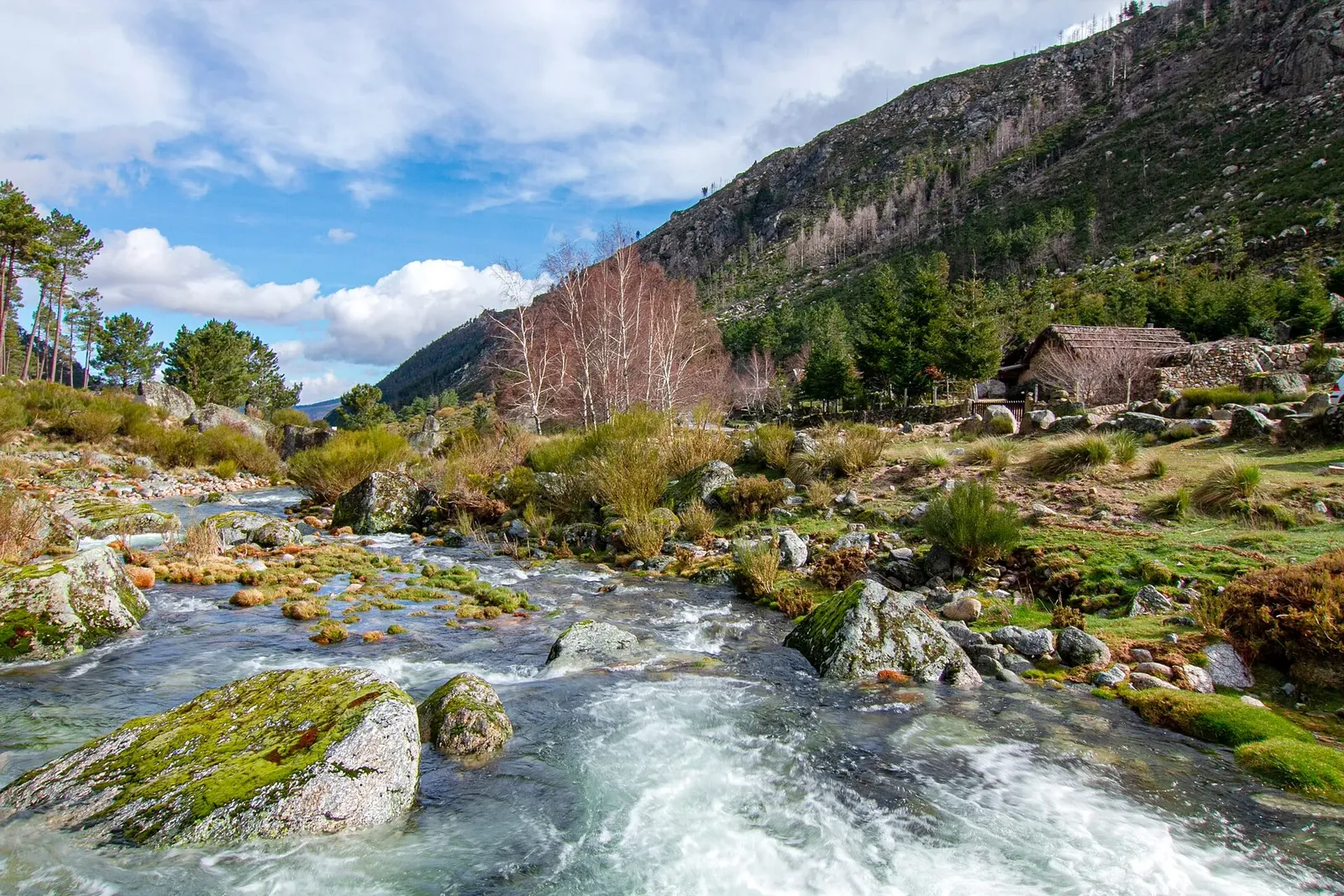
Photo: Zintosch7 · CC BY-SA 4.0
The first hour-long climb is a different sport from the hills at home. The good news: almost everyone who gets it wrong gets it wrong in the same way – too fast at the bottom.
Before you start
- Know the numbers: length, average gradient and where the steep part is. Every climb page in our Atlas shows them.
- Gear for it. A compact chainset with a large cassette is no shame in the mountains.
- Eat before the climb, not halfway up the steep bit.
The first ten minutes
Ride them easier than feels necessary. Breathing should allow full sentences. If you use a power meter or heart-rate monitor, stay below your threshold – but you don't need either to pace well.
Steep sections
- Shift early, before the ramp.
- Stand briefly to change position, then sit again – standing costs more energy.
- Think in hairpins or kilometre stones, not in the summit.
Fuel and drink
On climbs of an hour or more, drink regularly and take on some carbohydrate. Fill bottles where you can – water points on big climbs are not guaranteed.
Weather and altitude
Air cools with height – as a rough rule of thumb, around 6–7 °C per 1,000 m in typical conditions. Pack a gilet or jacket for the descent, even on a hot day.
Day two
On a trip with several mountain days, the second day is usually harder than the first. Plan an easier day or a rest day after the biggest climb.
Editorial General guidance, not individual coaching or medical advice. If you have health concerns, talk to a doctor or a qualified coach.